D4.2 Series of workshops to support ecosystem development in partner institutions
Published 31 March 2026
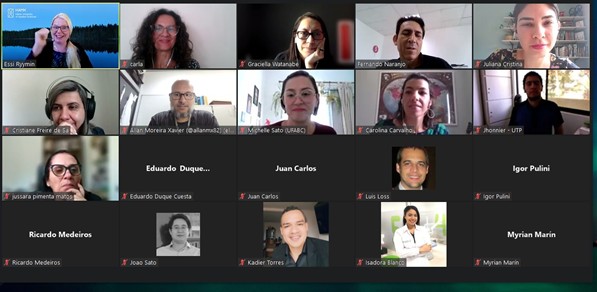
Photo by: Embrace Team
This report presents the development of collaborative learning ecosystems within the EMBRACE project, focusing on university–industry cooperation. Through workshops, mentoring, and pilot initiatives, partner institutions designed and implemented innovative models that enhance skills development, foster co-creation, and strengthen connections between academia, industry, and society.
This report describes the implementation of Work Package 4 (WP4) of the EMBRACE project, which focuses on strengthening collaboration between higher education institutions, industry, and society through the development of learning ecosystems. The main objective was to design transferable models of education-industry collaboration, supported by workshops, mentoring sessions, and pilot activities.
The methodology combined institutional teamwork, inter-institutional collaboration, and iterative feedback processes. Participants included teachers, students, and external stakeholders such as companies and community organizations. Activities were structured through joint online workshops, mentoring sessions, and institutional dissemination events.
Each partner institution developed and piloted innovative models adapted to their contexts. These included challenge-based learning initiatives, innovation hubs, ecosystem observatories, AI-based collaborative projects, and community-oriented programs. The pilots engaged hundreds of students, faculty members, and industry representatives, addressing real-world challenges and fostering multidisciplinary collaboration.
Results highlight the importance of strong partnerships, co-creation processes, and the integration of emerging technologies such as artificial intelligence. The project contributed to reducing the gap between academic training and labor market needs, enhancing student employability, and promoting applied research.
Key lessons learned emphasize the need for structured innovation ecosystems, long-term strategic alliances, and active student participation. The report concludes that WP4 successfully strengthened institutional capacities for sustainable collaboration, positioning universities as central actors in innovation, regional development, and social transformation.
This is just a summary of the document «D4.2 Series of workshops to support the development of the ecosystem in associated institutions». You can read the complete document in the following resource.