The integration of technology into educational processes
Published 17 September 2025
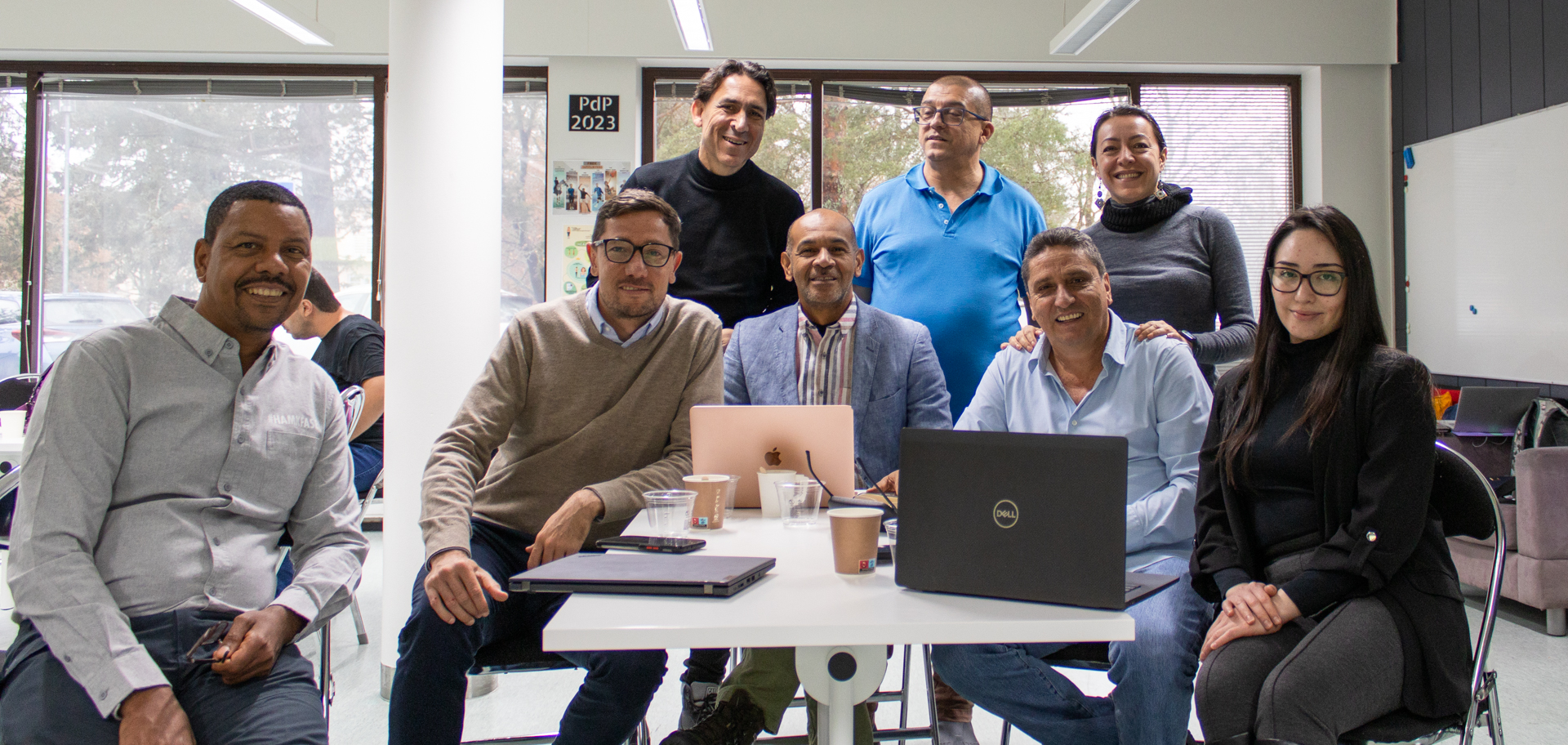
Photo by: Embrace Team
Technology has transformed education by democratizing access to knowledge, personalizing learning, and promoting new methodologies such as the hybrid model. Despite its benefits, it requires teacher training and attention to challenges like privacy and digital dependency to ensure effective and equitable integration.
The integration of technology into educational processes has significantly transformed teaching and learning in recent decades. This evolution has enabled the development of new methodologies, tools and approaches that seek to improve educational quality and adapt to the needs of contemporary society.
Technology has facilitated access to a wide range of educational resources, allowing students from diverse regions and socioeconomic backgrounds to access quality information and materials. Online platforms, digital libraries, and massive open online courses (MOOCs) have democratised knowledge, eliminating geographical and economic barriers. According to one study, the implementation of ICT in higher education has brought significant benefits in terms of accessibility and educational quality.
Artificial intelligence (AI) and adaptive platforms allow the educational process to be personalised, adjusting to each student’s learning pace and style. This facilitates a more individual-centred education, addressing specific needs and enhancing skills. For example, South Korea has implemented AI-powered digital textbooks, seeking to improve the educational experience and reduce academic pressure.
New methodologies and learning environments
Technology has led to the emergence of methodologies such as hybrid learning, which combines face-to-face and online teaching. This approach encourages interaction, personalisation and a deep understanding of the subjects. During the pandemic, global digitalisation accelerated the adoption of this model, consolidating it as the future of education.
The incorporation of technology in the classroom not only enriches educational content, but also prepares students for an increasingly digitalised world of work. The use of technological tools, the ability to search for information online and digital communication are essential skills in the 21st century. Teaching ICT in the education system contributes to training and preparing students for the challenges of the world of work and social and economic change.
Challenges and considerations
Despite the numerous benefits, technological integration in education presents challenges. Continuous training of teachers in the effective use of these tools is essential. In addition, issues such as data privacy must be considered and excessive dependence on digital devices avoided. Experts point out that the adoption of AI will involve a profound transformation in teaching and learning methodologies, underscoring the need for evidence-based continuous training to ensure success.
Technology has brought multiple benefits to educational processes, from the democratisation of knowledge to the personalisation of learning. However, it is essential to address the associated challenges to ensure effective and equitable integration that truly enhances educational quality.



Ensinar não é só transmitir conhecimento, mas envolve constante atualização, adaptação, abertura para novas formas, inclusive digitais. Convergência entre o natural e o tecnológico: A evocação de algo como “aurora boreal” sugere fenômenos de grande beleza, talvez raros ou distantes, que inspiram admiração, contemplação; já “cliques digitais” remete às mídias digitais, redes, imagens, comunicação moderna. Existe aí uma tensão ou um diálogo entre o que é tradicional / natural / contemplativo e o que é moderno / tecnológico / mediado. A educação parece ganhar quando esses dois mundos se encontram.
Formação de docentes / divulgadores: Para fazer esse tipo de ensino/divulgação, quem ensina precisa aprender — aprender sobre novas tecnologias, aprender sobre maneiras de tornar o conteúdo inspirador, pertinentes, interativas, conectar com as vivências dos estudantes ou do público.
Na atualidade, a educação passa por uma profunda transformação impulsionada pela tecnologia e pela inteligência artificial. O ato de ensinar deixou de ser apenas a transmissão de conhecimentos e passou a envolver também a capacidade de aprender continuamente. Assim como a aurora boreal, que muda e se renova em suas formas e cores, o processo educativo exige movimento constante e adaptação às novas realidades digitais.
A integração tecnológica trouxe inúmeros benefícios à educação, como o acesso ampliado ao conhecimento e a personalização da aprendizagem. No entanto, ela também apresenta desafios que precisam ser enfrentados com responsabilidade. A formação contínua dos professores é essencial para o uso eficaz das ferramentas digitais, evitando tanto a dependência excessiva de dispositivos quanto os riscos relacionados à privacidade dos dados. Ensinar, nesse contexto, requer atualização permanente e uma postura crítica diante das inovações tecnológicas.
Portanto, ensinar também significa continuar aprendendo. O professor do século XXI deve ser um pesquisador e um aprendiz constante, capaz de unir sensibilidade humana e competência tecnológica. Somente por meio dessa aprendizagem contínua será possível garantir uma educação de qualidade, que prepare os estudantes não apenas para o uso da tecnologia, mas para compreender o mundo de forma ética, criativa e transformadora.
Acredito no potencial da tecnologia, a qual possibilitou o surgimento de metodologias como o ensino híbrido, que combina aulas presenciais e online. Há necessidade de sabermos usá-la , mas é uma ferramenta incrível no avanço do ensino.
Excelente Projeto.